
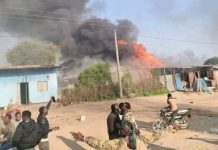
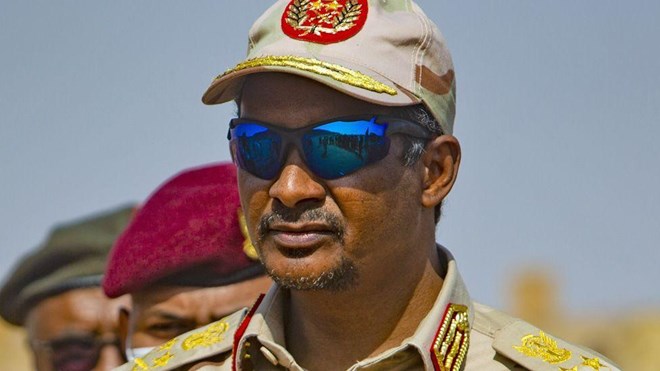
A report by BBC Verify has revealed that the leadership of the Sudanese Rapid Support Forces (RSF) is engaged in a campaign to contain the damage done to their reputation after evidence emerged of massacres by their forces in the northern Sudanese town of El-Fasher, the BBC reported.
Days after the horrific incident, in which poor people were massacred by RSF troops, the leader of the RSF, General Mohamed Hamdan (Hemedti), admitted that his forces had committed “abuses” and said that the matter would be investigated.
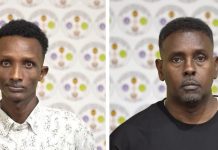
UN officials also confirmed that the RSF claimed to have arrested several soldiers suspected of the crimes, including a group leader named Abu Lulu, who BBC Verify previously showed videos of him carrying out killings.
Carefully filmed footage posted on the RSF’s official Telegram channel shows Abu Lulu being taken to a prison on the outskirts of El-Fasher. Meanwhile, researchers at Yale University accused RSF of “erasing traces of their war crimes”.
RSF forces were seen massacring civilians, and at the same time, RSF and its supporters on social media launched a campaign to change the narrative of the incident. Images and videos of RSF fighters feeding civilians were seen, as well as videos claiming to be treating prisoners of war humanely.
One of the posts on Telegram that RSF posted read:
“RSF confirms that prisoners of war from government forces and armed groups are being treated in accordance with international humanitarian law (IHL).”
However, no social media campaign can hide the outrage and international condemnation that RSF’s actions in El-Fasher have generated.
BBC Verify said it had tried to contact senior RSF leaders for a response to the allegations, but the group did not respond.