
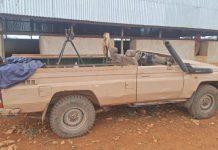

The United Nations High Commissioner for Refugees (UNHCR) said in a report that the tribal wars in Mudug region have resulted in widespread displacement and loss of life and injuries in the past four months.
UNHCR noted that the situation has recently intensified due to intense clashes. This clan war broke out between the Saad and Lelakase clans.
According to the Charity Organization, the conflict started at a water well dug in the Jiboor area of Galdogob district, which was said to have been opposed by the other community.
These battles have greatly affected all the fighting areas and nearby areas, and most of the battles took place in Hasasale, Laan-Alawo, Buulalay, Taaroge, Miigaga, Laan-Walay, Kal-Migaag, Ina-Dhabaray Jibor, Nugaal- Gibin, Jinga. Coal-burner, and Lama Goat.
UNHCR has released a report documenting the extensive damage to the infrastructure and disruption of the daily lives of the residents of those areas. According to the authorities, the war caused the displacement of 970 families and more than 5,820 people.
“This forced the families to seek refuge in neighboring villages under difficult conditions,” UNHCR said.
The civil war resulted in various losses to the fighting militias, and 6 civilians including three children were killed.
“The situation on the ground remains unstable, with major humanitarian concerns,” UNHCR said.
UNHCR said that the families fled their homes, leaving behind their belongings and suffering many hardships.
The conflict, she said, has also disrupted essential services such as education, limiting children’s education and exacerbating humanitarian crises. Women, children, and the elderly remain the most vulnerable groups to violence and crisis.
“We urge all parties to prioritize the protection of civilians,” UNHCR said, while authorities and international organizations also called for an immediate end to the fighting.