
At least 139 migrants, including children, died after a boat carrying more than 300 people sank off the coast of Djibouti while en route to Yemen, according to the UN’s International Organization for Migration (IOM).
The agency reported that the boat, carrying 305 people, sank overnight between October 8 and 9 near the Guhere area, north of the port city of Obock, Djibouti. The incident occurred as the migrants were traversing the maritime route connecting Djibouti and Yemen.
The IOM report stated that at least 15 children were among the fatalities, while approximately 84 people remain missing. About 82 people survived the sinking, the agency said in a press release issued on Sunday.
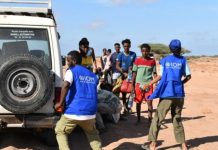
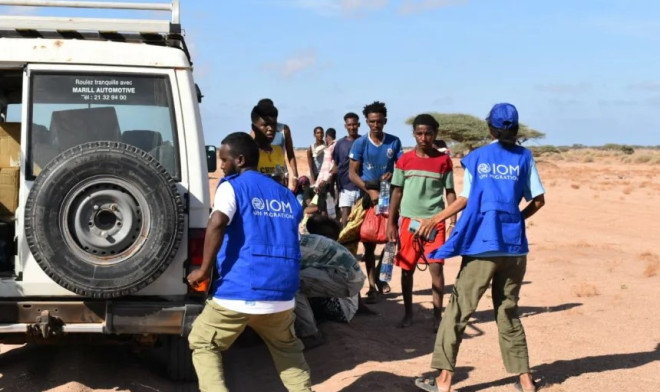
IOM emergency teams are working with the government of Djibouti to provide urgent assistance, while local authorities continue search and rescue operations. Additionally, survivors are receiving medical care, and arrangements are being made for the burial of those who perished in the tragedy.
Alexandre Coissac, the IOM Chief of Mission in Djibouti, stated that the organization’s teams are on the ground with local authorities to provide necessary assistance. He noted that this incident highlights the grave dangers migrants face when traversing perilous migration routes in search of economic opportunities.
The migrants were en route to Yemen, hoping to eventually reach wealthy Gulf states where they sought employment and a better livelihood than the one they had left behind.
The IOM stated that migrants continue to undertake these hazardous journeys despite the ongoing conflict and volatile security situation in Yemen. “The country is facing a resurgence of fighting between Saudi-backed government forces and the Iran-backed Houthi group, following the expiration of a UN-brokered ceasefire agreement in 2022.”
This incident once again underscores the risks migrants face during sea crossings between the Horn of Africa and the Arabian Peninsula—journeys many undertake in the hope of reaching countries where they can find employment and better livelihood opportunities.