


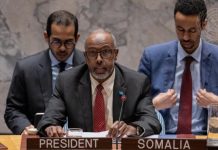
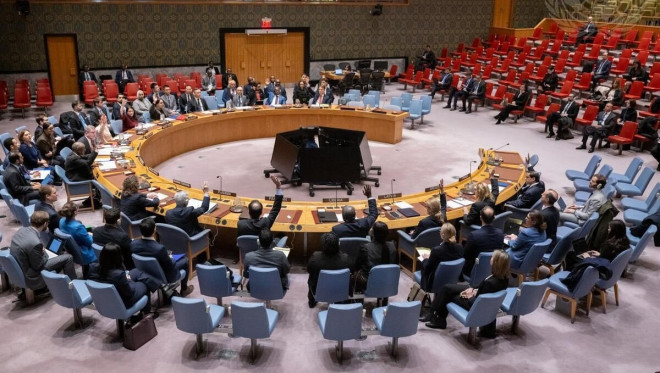
The Federal Government of Somalia has voted in favor of the adoption of United Nations Security Council Resolution 2812, which strengthens international efforts to maintain security in the Red Sea, one of the world’s most important maritime corridors for global trade and energy exports.
The resolution focuses specifically on the growing threat posed to this strategic waterway, with an increase in acts that threaten commercial shipping, energy security, and the flow of international goods. The Red Sea is a corridor connecting different continents, and is used daily by hundreds of ships carrying oil, commercial goods, and international supplies.
Somali diplomats who participated in the Security Council debate stressed that maritime security cannot be sustainable unless the sovereignty of the states bordering the area is fully respected, and the underlying causes of conflict and security crises are addressed.
They said that temporary solutions are not enough, and it is essential to address the underlying challenges that pose security threats at sea.
Somalia has clearly stated its position on fundamental principles that it believes can lead to sustainable security, including full respect for the sovereignty and dignity of States in the region, and the cessation of political, security and economic crises that lead to dangerous conflicts.
It also stressed the importance of all parties adhering to international law, especially those relating to the sea, commercial shipping and the rights of coastal States. Somalia pointed out that the violation of these laws creates an insecure environment that affects the entire world, especially vulnerable countries.
Another important point that Somalia stressed is that the leadership of security efforts in the Red Sea should be led by the countries with coastlines along the sea, as they are the most influential and knowledgeable about the realities in the area. Somalia described such responsible local leadership as key to a sustainable solution.
Similarly, Somalia called for strengthening genuine international cooperation, based on coordination, trust and sharing of security information, to prevent threats such as piracy, terrorism, illegal trafficking and other anti-security activities.